

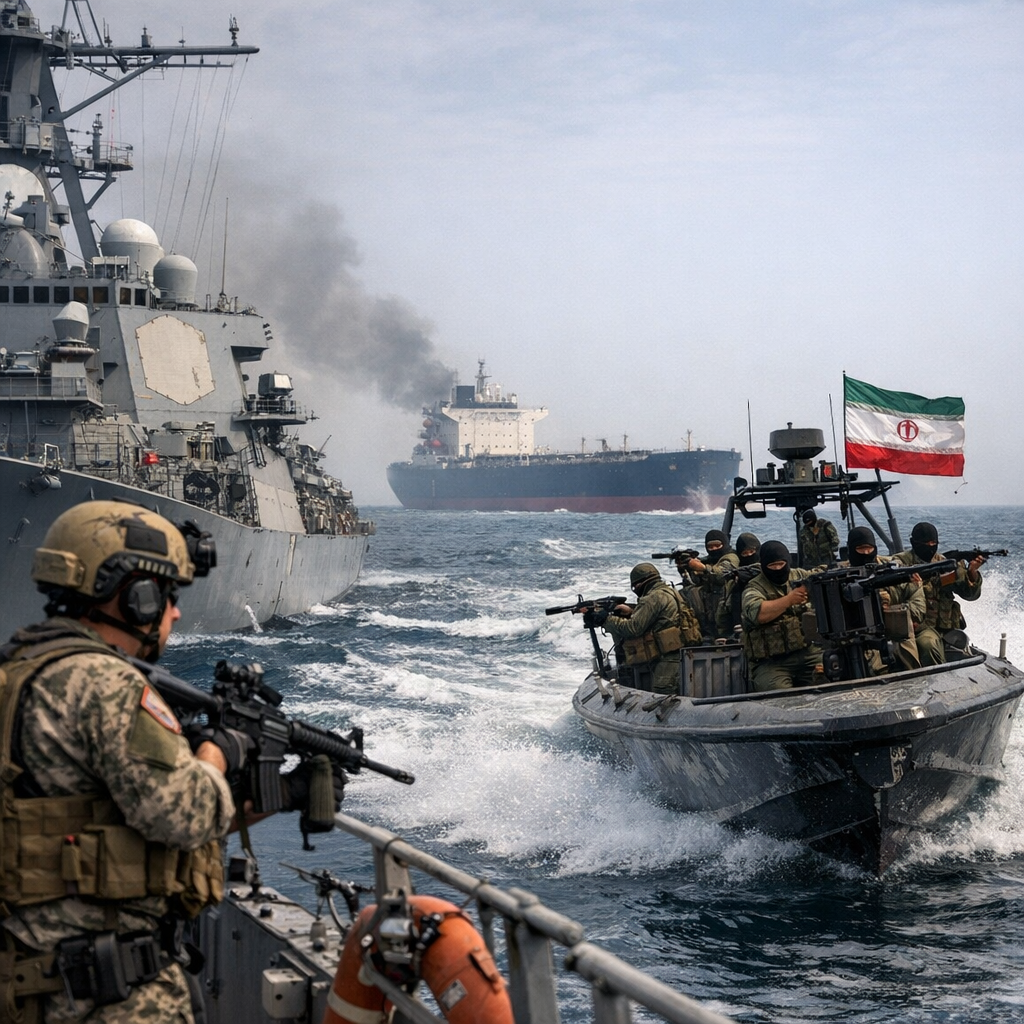
Recent developments in the Strait of Hormuz have intensified tensions between the United States and Iran, raising concerns about global stability. The strategic waterway, through which a significant portion of the world’s oil passes, has become a focal point of military confrontations.
Escalation in the Strait of Hormuz
Reports indicate that the U.S. and Iran have engaged in military clashes over the Strait of Hormuz, marking the first such incidents since a ceasefire was reached in early April. These confrontations underscore the fragile nature of the current peace efforts and the deep-seated mistrust between the two nations.
Implications for Global Markets
The escalation has had immediate effects on global markets. European shares have tumbled as the deadlock in U.S.-Iran negotiations has dented risk appetite, rattled energy markets, and rekindled concerns over an economic slowdown. Investors are closely monitoring the situation, as prolonged tensions could lead to increased volatility in oil prices and broader economic repercussions.
Prospects for Peace
Despite ongoing negotiations, the path to a lasting peace remains uncertain. Analysts suggest that the current tensions reflect efforts by both the United States and Iran to gain greater leverage at the negotiating table. The deep mistrust and divisions between the two nations continue to dim the prospects for a genuine return to peace in the region.
Local Perspective
For residents of Phoenix, Arizona, and the broader United States, these international developments may seem distant. However, the interconnectedness of global markets means that instability in the Middle East can have ripple effects, potentially influencing fuel prices and economic conditions domestically. Staying informed about such international events is crucial, as they can indirectly impact our daily lives.
As the situation unfolds, it is essential to monitor credible news sources and remain aware of how global events can influence local and national dynamics.