

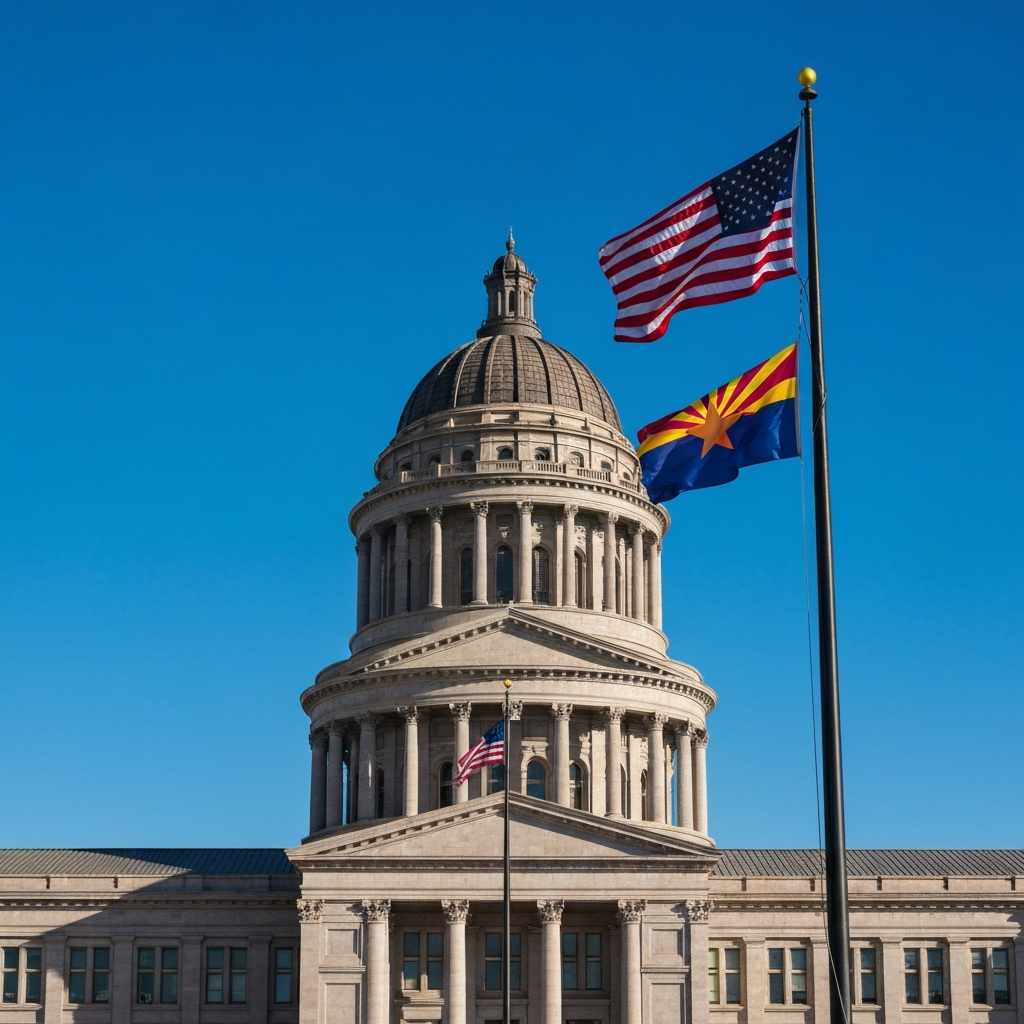
Arizona’s political landscape has undergone significant transformations in recent years, positioning the state as a pivotal player in national politics and policy discussions. This evolution is driven by demographic shifts, economic developments, and active participation in federal policy debates.
Demographic Shifts and Political Influence
Historically, Arizona was a Republican stronghold. However, recent demographic changes have diversified the electorate, leading to a more competitive political environment. As of July 2025, voter registration statistics indicate a near balance among Republicans (35.7%), Democrats (28.4%), and Independents or other affiliations (34.1%). This shift has made Arizona a key battleground state in national elections, with its electoral votes increasingly sought after by presidential candidates.
Impact of Federal Policies on Arizona’s Economy
Federal legislation, such as H.R.1, has had profound effects on Arizona’s economy. The rollback of clean energy tax credits has led to significant job losses and a decline in investments within the state’s burgeoning clean energy sector. Prior to these policy changes, Arizona had experienced substantial growth in clean energy jobs and investments, positioning itself as a leader in the industry.
Additionally, proposed federal Medicaid cuts have raised concerns about potential economic repercussions. Analyses suggest that reducing federal contributions could result in the loss of Medicaid coverage for over 550,000 adults in Arizona, leading to broader economic challenges for the state.
Arizona’s Role in National Policy Debates
Arizona has been at the forefront of national policy debates, particularly concerning voting rights. The state’s history with the Voting Rights Act (VRA) underscores its significance in shaping and being shaped by federal voting legislation. Since 1975, Arizona was subject to preclearance requirements under the VRA, necessitating federal approval for changes to its election laws to prevent discriminatory practices. However, a 2013 Supreme Court decision invalidated the formula determining which states required preclearance, altering the oversight landscape.
More recently, a U.S. Supreme Court ruling that struck down Louisiana’s congressional map as an unconstitutional racial gerrymander has prompted discussions about the legality of Arizona’s majority-Latino legislative and congressional districts. This development could lead to legal challenges and further debates on the state’s redistricting practices.
Conclusion
Arizona’s evolving demographics and active engagement in national policy discussions highlight its growing influence on the national stage. As the state continues to navigate these changes, its role in shaping federal policies and contributing to national debates is likely to expand, reflecting the dynamic interplay between local developments and national trends.